Low-level laser therapy (LLLT) for hair growth uses many low-power red lights, 620 to 680 nm and sometimes near-infrared, on the scalp for a few minutes on a schedule. On a spec sheet, look at five numbers: light-source count (40 to 500 in home devices), wavelength, power per diode (under 5 mW, Class 3R), total output or dose (some brands publish joules), and session time. Brands disagree on which number matters most, so compare devices on the same lines and weigh routine and guarantee just as much.

What "low-level" means
"Low-level" is there to separate these devices from the high-power lasers used in surgery or hair removal. The lights in a home cap are cool to the touch and each one is rated under 5 mW, which is why iRestore and Capillus list them as Class 3R. LLLT devices for hair are sold with FDA clearance for pattern hair loss, according to their makers; the brands explain how the light is meant to help in their own words, and you will find those explanations in our reviews.
The spec sheet is where you can compare them without taking anyone's word for it. Here is how to read it.
Light-source count
The headline number. It tells you how many points of light sit over your scalp. Home devices on our list range from 12 (a comb) to 500 (the iRestore Elite). Caps cluster at 148, 272, 302 and 312 lasers. Helmets mix: Theradome uses 40 or 80 lasers; iRestore combines lasers with LEDs to reach 120, 282 or 500.
More lights mean more even coverage, all else being equal. Theradome argues the opposite way, that "more lights don't automatically mean a better treatment" and dose is what counts. Our formula weighs light-source count at 20%; read on for dose.
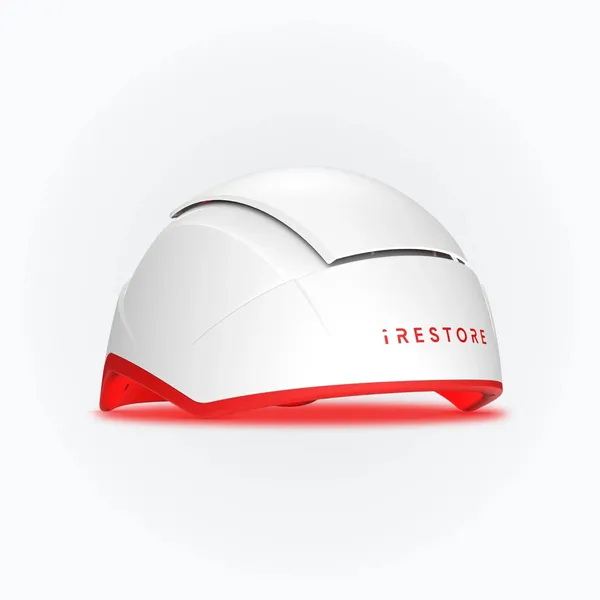
Strong numbers across the sheet (282 light sources, 1,410 mW) at the lowest price per light source among hands-free devices.
Wavelength
Measured in nanometres (nm). Almost everything here sits in visible red: 650 nm (Kiierr, illumiflow, Capillus), 655 nm (iRestore, HairMax), 680 nm (Theradome). REVIAN RED uses 620 and 660 nm LEDs. Two devices add near-infrared: Capillus Spectrum at 808 nm and iRestore Elite, which adds 625 and 680 nm to 655 nm. The spread is narrow, so wavelength rarely decides between two red light caps on its own.
Milliwatts and joules
Power comes in two forms on product pages:
- Per diode: under 5 mW for Class 3R lasers (Capillus says 5 mW).
- Total output: the sum of all diodes. Kiierr, illumiflow and HairMax list 1,360 mW for their 272-laser caps, Kiierr 1,510 mW for the 302, iRestore 600, 1,410 and 2,500 mW for its three helmets, HairMax 1,230 mW for the LaserBand 82.
Some brands publish energy instead. Theradome says the PRO delivers 727 joules per treatment and 6.09 J/cm² of fluence; REVIAN lists an energy dose of 1.0 J/cm². Energy is power multiplied by time, which is why a 30-minute cap and a 6-minute cap with the same diodes are not the same treatment. Brands do not all publish the same figures, so we do not score power directly; we show it in the comparison tool where it is stated.
Pulsing or continuous, and session time
Kiierr's 272 Premier and illumiflow's caps list "pulsing" output with 30-minute sessions; Kiierr's 302 and DualWave models and Capillus list "continuous" output with 6-minute sessions. The brands pair each mode with its own schedule, and their pages argue for their choice (iRestore, for example, explains why it prefers 12 or 25 minutes to 6). As a buyer, the practical number is minutes per week, from about 5 (LaserBand 82) to about 105 (30-minute caps). Our formula scores that at 15%.
Numbers that matter less than they look
Some spec lines get more attention than they deserve.
- "Medical-grade". Every brand uses it, and it is not a defined standard you can compare. The laser class (3R) and the FDA clearance are the meaningful lines.
- Total mW as a ranking. A higher total looks impressive, but it mostly tracks the number of diodes. Two caps with 272 lasers at the same rating will show the same total, whatever their price.
- "Clinically proven" badges. Brands cite their own studies, often on one model. Capillus, to its credit, says its cited results are for the CapillusPro specifically and not its other caps. Read what the study covered before you treat a badge as a guarantee for your head.
- Customer counts. "100,000+ customers" tells you a brand sells a lot, not that its device suits you.
What matters more than all of these: whether you will keep the routine, how long you have to return it and how long the warranty lasts. That is why those three lines carry 40% of our formula together.
All 15 devices on one sheet
| Device | Lights | nm | Total mW | Routine |
|---|---|---|---|---|
| iRestore Elite | 300 lasers + 200 LEDs | 625/655/680 | 2,500 | 12 min daily |
| Capillus Spectrum | 312 lasers | 650 + 808 | not stated | 6 min daily |
| Kiierr 302 UltraFlex | 302 lasers | 650 | 1,510 | 6 min daily |
| iRestore Professional | 82 lasers + 200 LEDs | 655 | 1,410 | 25 min every other day |
| Kiierr 272 Premier | 272 lasers | 650 | 1,360 | 30 min every other day |
| illumiflow 272 Pro | 272 lasers | 650 | 1,360 | 30 min every other day |
| HairMax PowerFlex 272 | 272 lasers | 655 | 1,360 | 7 min, 3x a week |
| Capillus PRO | 272 lasers | 650 | not stated | 6 min daily |
| illumiflow 148 | 148 lasers | 650 | 740 | 30 min, 3x a week |
| iRestore Essential | 51 lasers + 69 LEDs | 655 | 600 | 25 min every other day |
| REVIAN RED | 119 LEDs | 620 + 660 | not stated | 10 min daily |
| HairMax LaserBand 82 | 82 lasers | 655 | 1,230 | 90 s, 3x a week |
| Theradome PRO LH80 | 80 lasers | 680 | not stated | 20 min, 2x a week |
| Theradome EVO LH40 | 40 lasers | 680 | not stated | 20 min, 4x a week |
| HairMax Ultima 12 | 12 lasers | 655 | not stated | 8 min, 3x a week |
Specs as published by each brand on November 11, 2026.
Nothing here is medical advice. Hair loss has many causes: talk to your doctor or a dermatologist before you start a device, and follow the maker's instructions.
Our three picks for this guide
Scores come from our published formula; the full list is in the ranking.
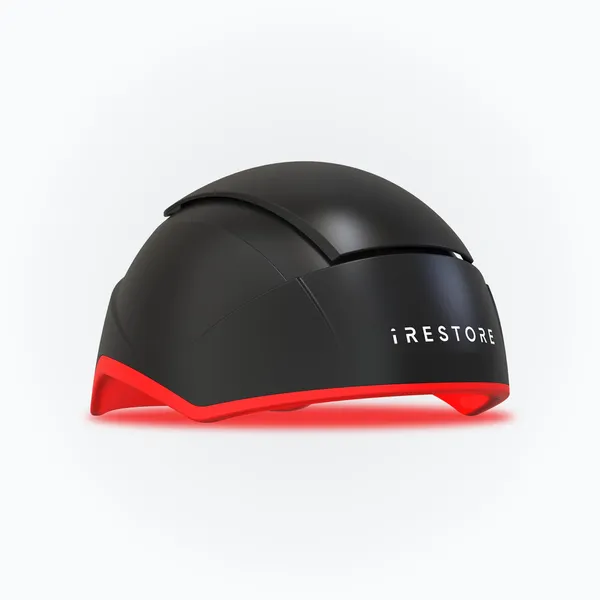
iRestore Elite
The most light on our list and a 12-minute daily routine, at a flagship price.
See today's price Read the review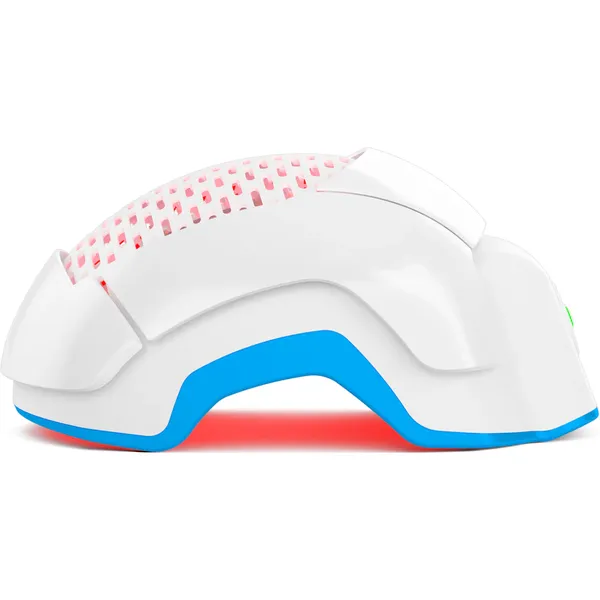
Theradome PRO LH80
Twice a week, 20 minutes, no cords: Theradome's 80-laser helmet.
See today's price Read the review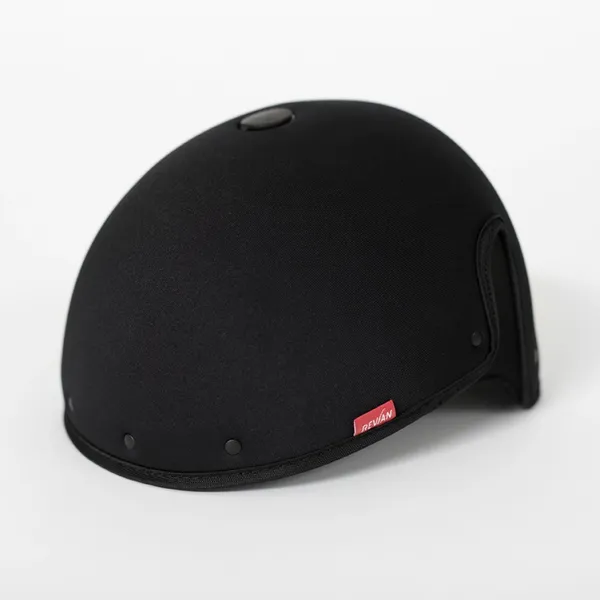
REVIAN RED
An all-LED cap with an app and a 6-month, 100% money-back guarantee, at the top of the price range.
See today's price Read the reviewReferences
- Brand product pages linked from each review, read November 11, 2026
Written by Marcus Hale, editor, laser hair-growth devices. Some links are affiliate links: if you buy through them, we may earn a commission at no extra cost to you. It never changes our scores. Disclosure.