Every laser cap and helmet we compare is described by its maker as FDA-cleared to promote hair growth in people with pattern hair loss (androgenetic alopecia), within set stages and skin types. Clearance means FDA found the device substantially equivalent to one already on the market; it is not a promise for every head. Brands say to expect months, not weeks, so pick a routine you will keep and judge it before the money-back window closes. Ask a doctor first if you are not sure what is causing your hair loss.

What a laser cap does, in plain words
A laser cap is a hat or helmet lined with small red lights, usually laser diodes around 650 nm, sometimes LEDs, sometimes both. You wear it for a few minutes on a schedule and it switches itself off. The technique is called low-level laser (or light) therapy, LLLT for short. Nothing is cut, injected or swallowed.
How the light is supposed to help is where brands do the talking. iRestore says its light "reactivates dormant follicles". Capillus says LLLT strengthens existing follicles and supports new growth. Theradome says its lasers deliver a controlled dose to the scalp. Those are their words, and you will find similar wording on every product page. What you can check yourself is the hardware: how many lights, which wavelength, how long a session lasts and what happens if it does not work for you. That is what we compare in our ranking.
One more practical point. These are slow, quiet devices. There is no sensation to tell you it is "working", no heat to speak of and no visible change in the first weeks. That is normal, and it is also why so many caps end up in a drawer.
What "FDA-cleared" means here
You will see "FDA cleared" on every page we read, sometimes "510(k)-cleared". It is a real status, but it is easy to read too much into it.
According to FDA's 510(k) page, a 510(k) is a premarket submission showing that a device is as safe and effective as, in FDA's words "substantially equivalent" to, a device already legally on the market. FDA then issues an order that "clears" it for sale. That is different from the premarket approval process used for higher-risk devices, which is why careful brands say "cleared" and not "approved".
Clearance comes with an indication: a written description of who the device is for. For the laser caps here, the brands publish it. Kiierr and iRestore, for example, say their devices are intended to promote hair growth in men with Norwood-Hamilton stages IIa to V and women with Ludwig-Savin stages I to II, with Fitzpatrick skin types I to IV. HairMax publishes the same kind of statement on its FDA page. You can look up any device in the FDA 510(k) database.
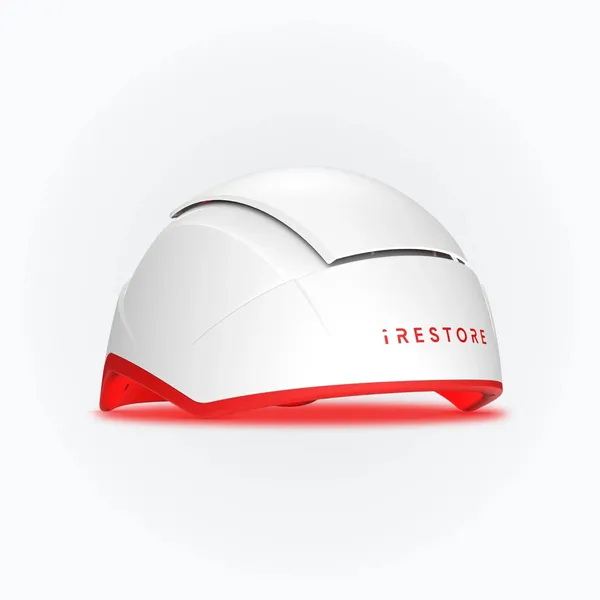
The most light sources per dollar on our list and a 12-month money-back window, long enough to judge a routine.
Who the clearances are written for
Read that indication again, because it rules people in and out.
- Pattern hair loss only. The clearances are for androgenetic alopecia, the common genetic thinning. Shedding after illness, stress, pregnancy, a crash diet or a medication change can look similar and has other causes. If your hair loss came on fast or in patches, see a doctor before you buy anything.
- Not for bald areas. iRestore says plainly that its helmets are "not intended for people who are bald or have advanced hair loss". The stage limits (Norwood V, Ludwig II) say the same thing in clinical terms.
- Skin types I to IV. The indications we read stop at Fitzpatrick IV. If your skin is type V or VI, the clearance does not cover you; ask your dermatologist.
If you sit inside those lines, the devices on our list are all designed and cleared for you. If you do not, a laser cap is not the first thing to spend $800 on.
How long the brands say to wait
Every brand frames it in months. iRestore's own timeline says to expect no change, or even more shedding, in the first three months. HairMax says "results in as little as 3 months". Capillus cites a 17-week trial for the CapillusPro. Kiierr's guarantee asks you to use the cap for 210 days before you can claim a refund.
The guarantee windows tell you the same story in dollars: 6 months at Capillus, HairMax, Theradome and REVIAN, 7 months at Kiierr, 12 months at iRestore and illumiflow. Brands set those windows around the time they think you need. That is why the money-back window carries 15% of our score: it is your safety net if the routine does not suit you.
Practical tip: photograph your scalp on day one, in the same spot, same light, same parting, and then once a month. Hair changes too slowly to judge in the mirror, and some guarantees (Kiierr's) want photos anyway.
The real reason people give up: the routine
A device only does anything if you use it, and the schedules vary a lot. Here is the weekly time each format asks for, from the brands' own instructions:
| Device | Routine | Minutes a week |
|---|---|---|
| HairMax LaserBand 82 | 90 s, 3 times a week | about 5 |
| HairMax PowerFlex 272 | 7 min, 3 times a week | 21 |
| Capillus PRO, Kiierr 302 | 6 min daily | 42 |
| Theradome PRO | 20 min, twice a week | 40 |
| iRestore Elite | 12 min daily | 84 |
| iRestore Professional | 25 min every other day | about 88 |
| Kiierr 272, illumiflow 272 Pro | 30 min every other day | about 105 |
Be honest with yourself here. If you already struggle to floss, a 30-minute session every other day will not happen. Pick the routine you will actually keep, then compare the devices within it.
How to give a cap a fair try
- Check the cause. A quick visit to a doctor or dermatologist tells you whether you have pattern hair loss and whether light therapy fits alongside anything else you use.
- Choose by routine, then by price. Use the table above, then compare up to three devices on price, light sources, guarantee and warranty.
- Read the guarantee terms before you pay. Some refunds come minus a 25% fee (Kiierr unless you have photos, illumiflow in all cases). Capillus only honors its guarantee on orders from capillus.com.
- Put it in your calendar. Tie sessions to something fixed: the evening news, your commute call, your morning coffee.
- Photograph monthly and decide before the window closes. Set a reminder two weeks before the guarantee ends.
Do that, and you will know whether a cap was worth it for you, with your money protected while you find out.
Nothing here is medical advice. Hair loss has many causes: talk to your doctor or a dermatologist before you start a device, and follow the maker's instructions.
Our three picks for this guide
Scores come from our published formula; the full list is in the ranking.
iRestore Professional
The helmet we would buy first: lots of light, a long guarantee and a sale price that undercuts most caps.
See today's price Read the review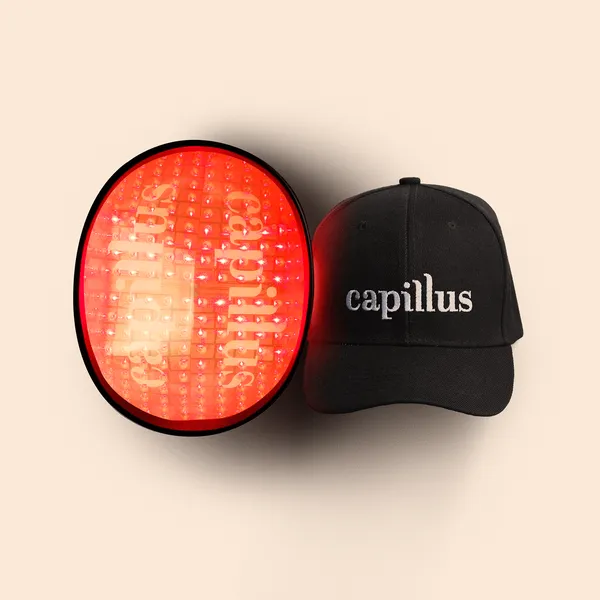
Capillus PRO
Six minutes a day under a cap that looks like a cap, from the brand that says it was first to FDA clearance.
See today's price Read the review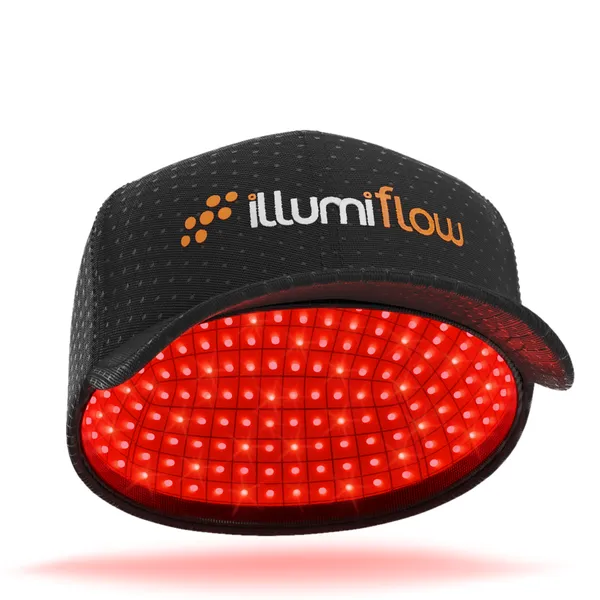
illumiflow 272 Pro
A 272-laser cap you can wear around the house, at a Black Friday price that beats its twin from Kiierr.
See today's price Read the reviewReferences
- FDA's 510(k) page
- FDA 510(k) database
- Brand product pages linked from each review, read November 11, 2026
Written by Marcus Hale, editor, laser hair-growth devices. Some links are affiliate links: if you buy through them, we may earn a commission at no extra cost to you. It never changes our scores. Disclosure.